2024 Thailand Travelogue: Too Happy to Think of Home
I recently read a book by an American called Die with Zero, which basically argues that life is an experience, and you should seize the right moments to experience things—even if conditions aren’t ideal at the time, you should still try. Because if you wait until you’re old and frail, you’ll never feel it the way you did in your youth. This echoes a line from a Song dynasty ci poem: “I long to buy osmanthus blossoms, And carry our wine, But it will never be like the carefree days of youth.” The meaning is the same. While we’re young, we should make the most of our time and do what we want to do—don’t wait until your hair turns white and mourn in vain!
Taking advantage of my wife’s annual leave, we decided to travel abroad. We chose Thailand because Buddhist countries tend to be polite and friendly. Plus, so many people have already been there that most pitfalls have already been discovered, making it relatively safe to travel with a child. And indeed, after eight days in Thailand, we were both still craving more—too happy to think of going home.
Traveling to unfamiliar places always comes with some fear and some anticipation. Before going to Thailand, we worried about local safety, especially after the teenage shooting at a Bangkok mall a few months prior. And RedNote always said the water in Thailand wasn’t clean and you should bring your own filter, etc. But then you’d see YouTubers sharing Bangkok street videos—streets full of tourists of every skin tone. If it were really as bad as TikTok and RedNote claimed, why would it still be a backpacker’s paradise? There’s surely good and bad, but not all of either. Overall, Thailand is a friendly country. People don’t look at you coldly; after accidental eye contact, they even smile the way some Westerners do. With our child in tow, older folks loved trying to teach her to say “Sawasdee ka, khop khun ka, sui mai mai.”
I’m a very laid-back traveler—go with the flow. I didn’t do any research before arriving in Thailand. When we came out of Don Mueang Airport, we were bewildered: traffic drives on the left; the BTS isn’t a subway but an elevated rail; the streets are full of gas-powered motorcycles roaring loudly—a scene as explosive as Vietnam’s motorbike army. After some on-the-spot strategizing, we eventually took a bus to the hotel, got off at Lumphini Park station, walked a couple of steps, and saw giant monitor lizards crawling around the pond in the park.
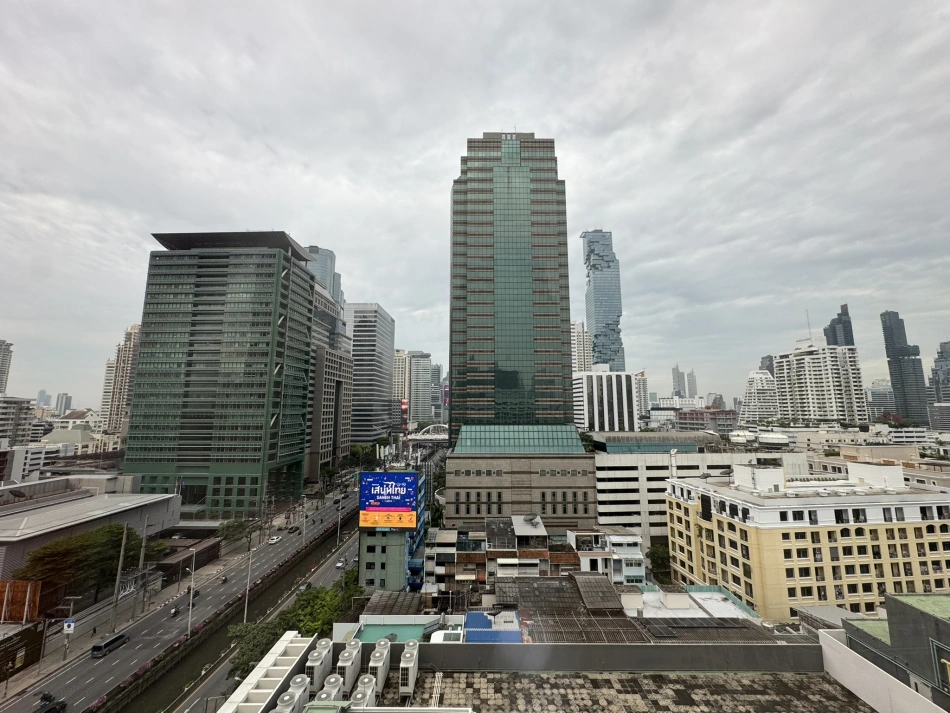
After settling into the hotel, we headed to Charoen Krung Road. The buildings on either side weren’t particularly new, with a bit of an old Hong Kong movie vibe, but it was very lively—vendors lined up shoulder to shoulder, and people of every complexion came and went. Along the roadside, someone was selling woven jasmine garlands. The kid bought one and wore it on her wrist, fragrant all the way.
Beyond enjoying the scenery, the meaning of travel also lies in observing how locals eat, dress, live, and get around. After a day of bouncing around, the kid was starving, so we looked for something to eat on Charoen Krung Road. Since we were there, of course we’d try Thai noodles. Honestly, Thai noodles taste pretty good and are cheap—50 baht for a bowl. But the portions are genuinely small. After slurping the noodles, a cup of milk tea, and a City Walk, you’ve digested it all just fine.
ICONSIAM
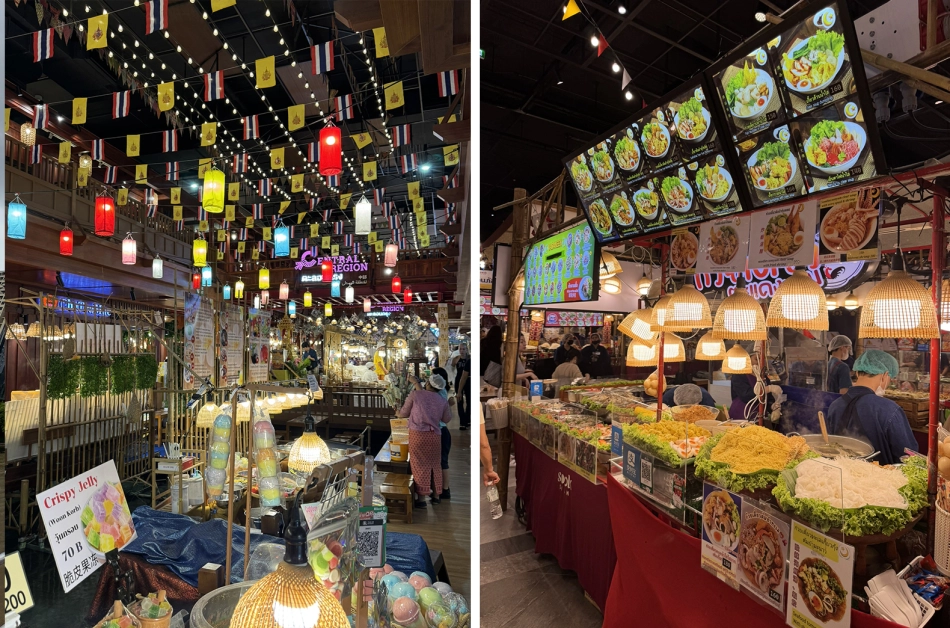
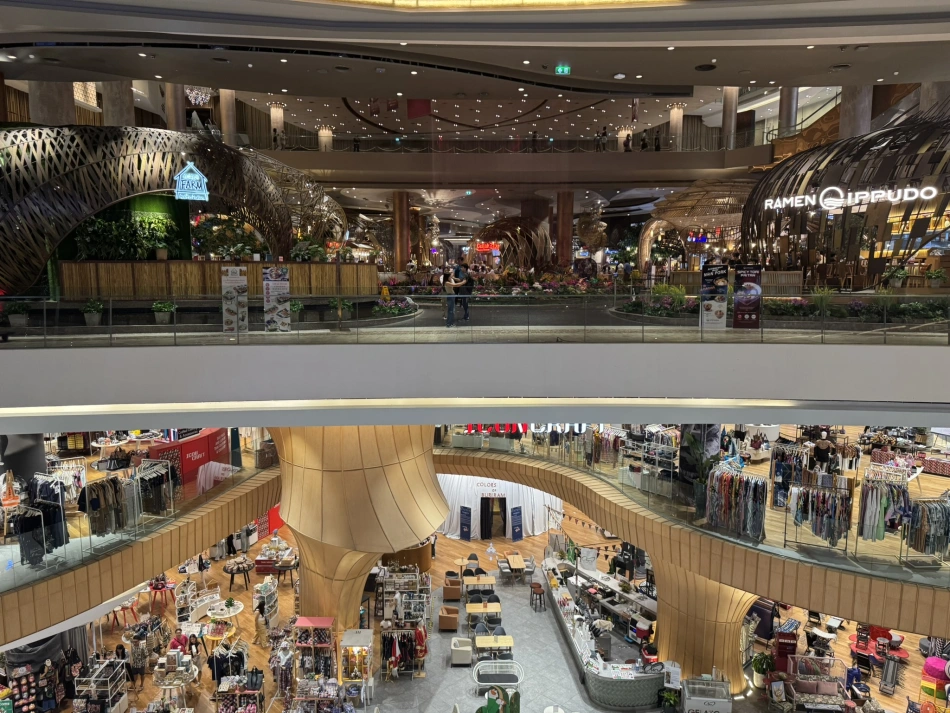
ICONSIAM bills itself as Asia’s number one mall and is said to be the ultimate destination for Bangkok tourists. Our family of three walked there from Charoen Krung Road, crossing the Chao Phraya River. The exterior of the mall was brilliantly lit, and the interior was magnificent. Maybe I just haven’t been to enough cities, but I’d never seen such a luxurious mall. The first floor featured various local snacks, the second had branded restaurants and cafés, and the upper floors housed luxury brands and electronics. Thai malls and hotels differ from China’s—there’s basically no “first floor”; instead it’s “G” (Ground), M level, UG level. And underground parking is rare—cars park on the first, second, third floors, so you can walk directly into the mall after parking. I suspect it has to do with the geological structure and elevation—digging basements would risk flooding.
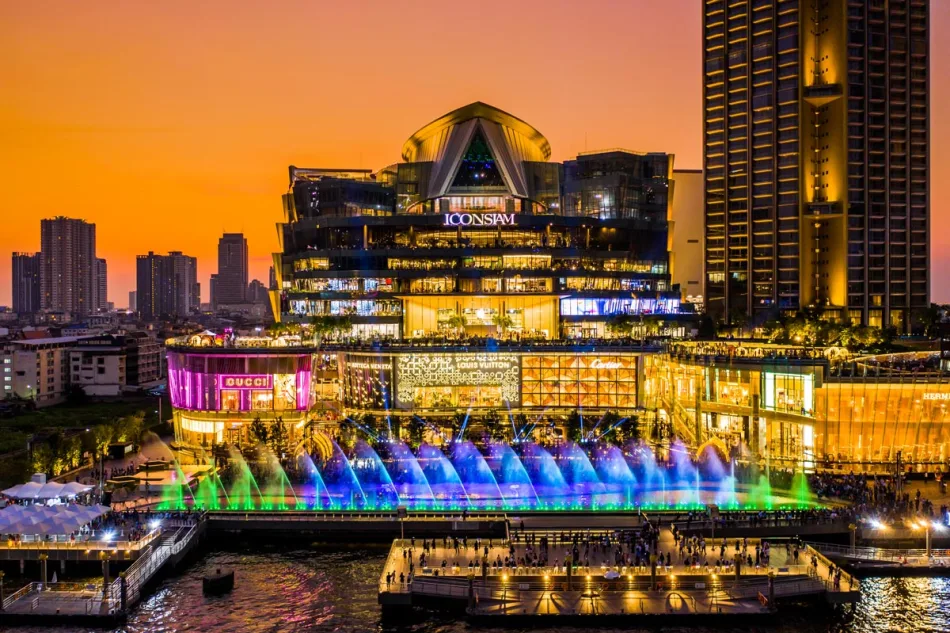
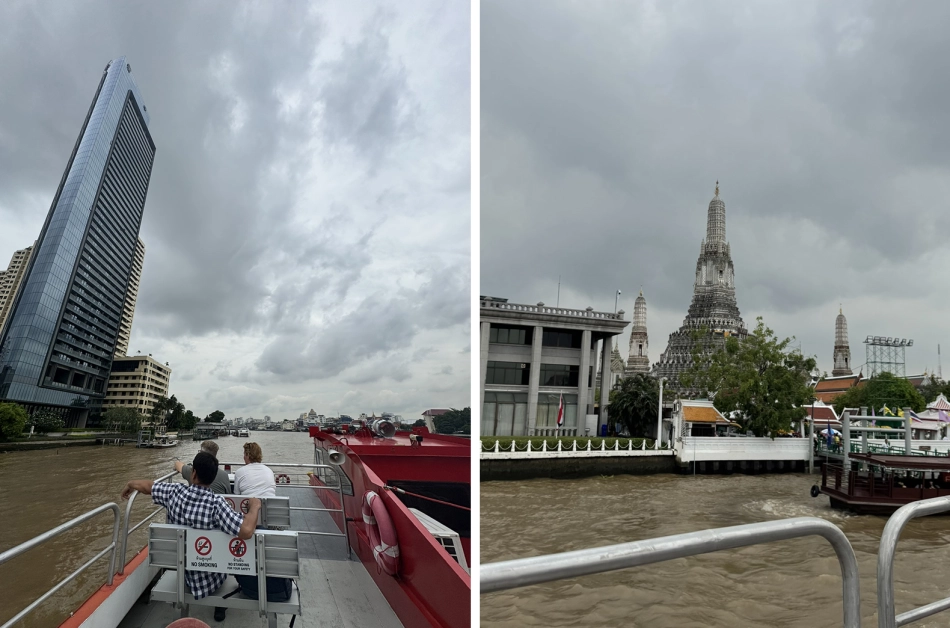
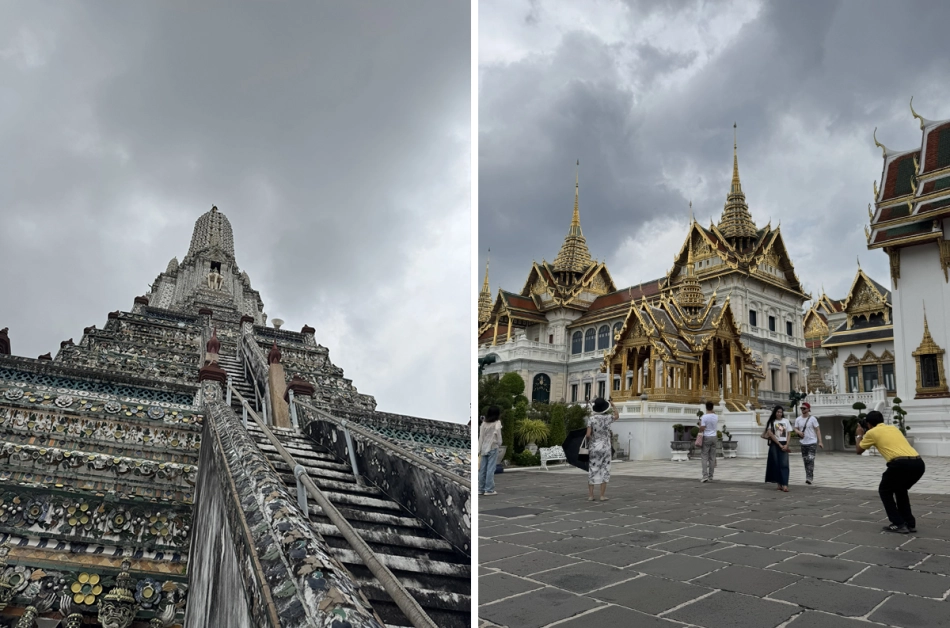
Wat Arun and the Grand Palace Our hotel had convenient transportation. From the hotel, it was a walk to ICONSIAM, where we had breakfast, then passed through the mall to the pier. Buy a boat ticket and you can visit both Wat Arun and the Grand Palace along the way. Wat Arun itself isn’t large—four small towers surrounding a tall central pagoda. The architectural style can be taken in at a glance, but it’s particularly interesting up close: it’s covered entirely in porcelain tiles. There are tons of people doing photo shoots here. A whole street behind the temple is lined with photography studios. The photographers work like an assembly line: f/1.8 wide aperture, ISO 100, 1/320s shutter speed. Click-click—over a hundred photos in half an hour, done.
The Grand Palace and the Temple of the Emerald Buddha are connected. Free for Thai nationals, 500 baht for foreigners. The Grand Palace is enormous, but tourists can only visit a very small corner; most areas are off-limits. The Temple of the Emerald Buddha lives up to its name—the main hall houses a Buddha carved from jade, green throughout, and it’s Thailand’s national treasure.
Pattaya
We stayed in a Bangkok hotel for two or three days, and it happened to be the Mid-Autumn Festival. We considered extending by a day, but the hotel price had jumped to over 1,000 RMB a night, so we set off for Pattaya.
To get from Bangkok to Pattaya, you need to take a minibus from Bangkok’s Eastern Bus Terminal—the journey takes about two hours. After collecting passengers’ hotel information, the conductor drops them off at their hotels in order. The minibus was full of people from various countries. Sitting next to me was a Bangladeshi guy on a solo business trip. My English is genuinely terrible, and I couldn’t understand his South Asian accent, so we connected on WhatsApp instead. It turned out he was a business manager at a Bangladeshi software outsourcing company. He showed me his passport—covered in visas from many countries, including China. The conductor asked which hotel he was going to, but he hadn’t booked one yet and wanted to stay at the same hotel as us. When he saw the price, he hesitated, comparing options on his phone for a while. Considering Bangladesh’s GDP per capita, I even felt a bit guilty. He ended up staying at that hotel anyway—perhaps as a professional manager, even in Bangladesh, his income isn’t that low.
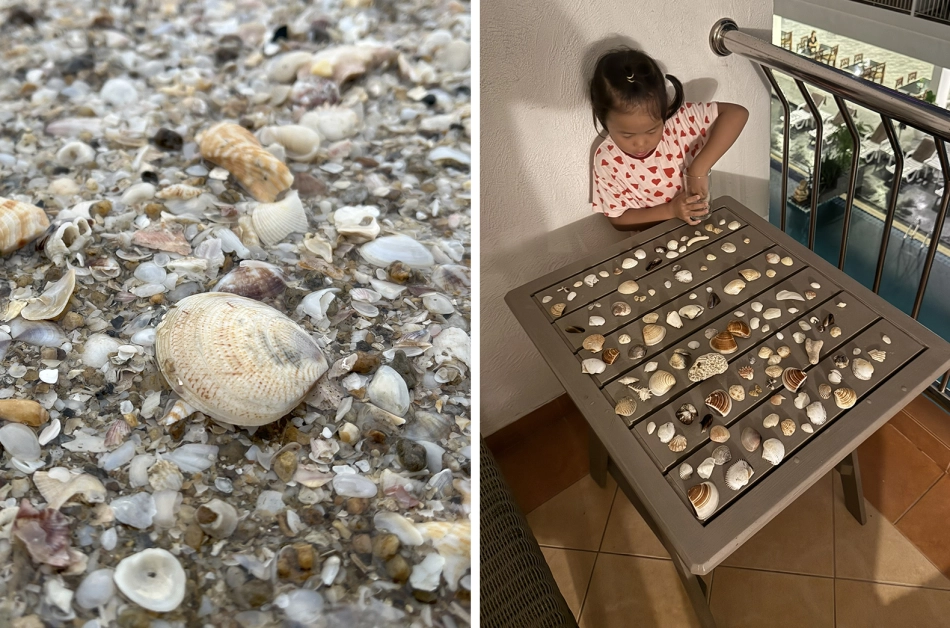
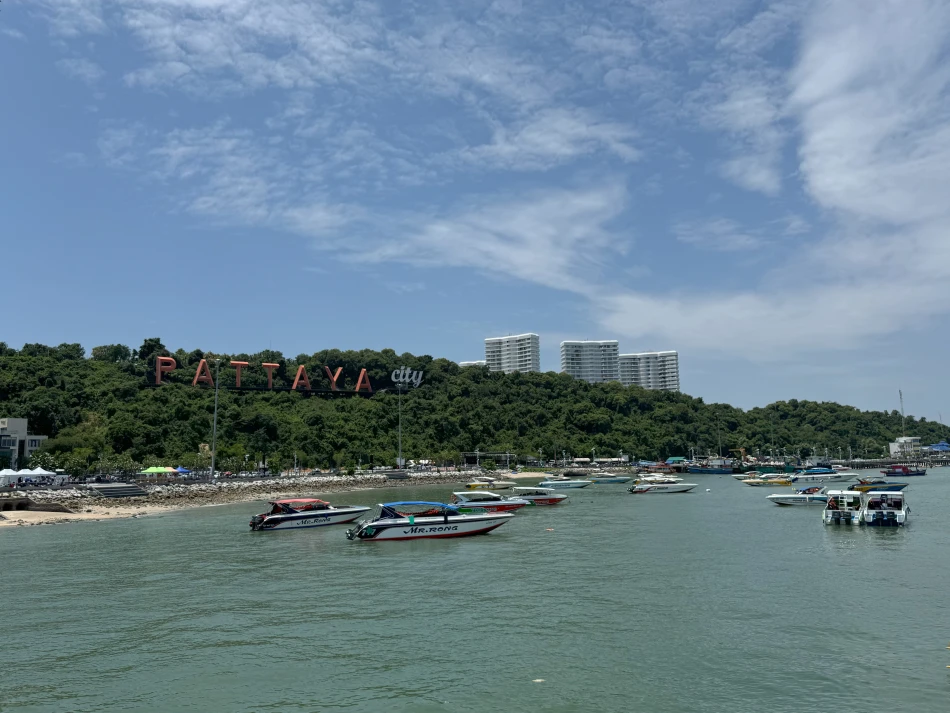
Our purpose in Pattaya was to let the kid see the ocean, dig in the sand, and collect seashells. Other activities—like ladyboy shows and other adult entertainment—weren’t practical with a child, so we skipped them. Pattaya’s sea isn’t particularly blue, but it’s much better than the yellow water we saw at Zhuhai Chimelong last year. The beach had plenty of live shells, sea anemones, and jellyfish. The kid collected many shells, laid them out on a big table, and treasured them like jewels. Unfortunately, we only discovered the day before leaving Thailand that shells can’t be taken out of the country. I had to tell the kid that shells can’t go on the plane and need to be shipped by express delivery. After quietly tossing them, I ordered a bag of shells on Pinduoduo. When we got home, the kid didn’t notice anything amiss—only commented that it seemed like there were fewer shells.
In Pattaya, we took a boat to an island recommended on Xiaohongshu—supposedly with pink sand beaches and glass-clear water. But after renting a motorbike and riding around the island, we didn’t find either. There were certainly a lot of Chinese tourists there, probably all chasing the perfect photo. It reminded me of the Thai local girl we met drinking milk tea at a Bangkok mall (we ran into her a second time on the street—she pulled over in her Mercedes-Benz and waved at us again). She recommended Phuket, saying the sea there is the most beautiful and clearest. If we come to Thailand again, we’ll go straight to Phuket.
.jpeg?x-oss-process=style/w950)
Hotels
A few years ago, I received over $1,000 on PayPal—money that couldn’t be used in China. This trip was the perfect opportunity to spend it booking hotels on the Agoda app. Once you switch currencies, staying in a 70–80 yuan hotel feels like it’s practically free. In Pattaya, I booked a sea-view room at a five-star hotel. When my wife asked how much, I said only 98 yuan. Sounds cheap—but when you convert it back to RMB, your heart bleeds.
Kids seem to love staying at hotels. Beyond each hotel having its own atmosphere, there’s TV to watch, snacks to eat, a pool to play in, and no parents rushing them to bed.
Our first night in Bangkok was at the Evergreen Laurel Hotel. Despite being five-star, it had a 1990s Chinese-style decor. The small room was clean but dated. There was a Bible in the drawer—was it intentionally placed by the hotel or left behind by a guest? Who knows. Throughout the trip we stayed at several hotels, and what made this one different was that the TV had lots of children’s programs and the Discovery Channel. It reminded me of my childhood in the countryside, happily watching Star TV and Phoenix TV through a satellite dish.
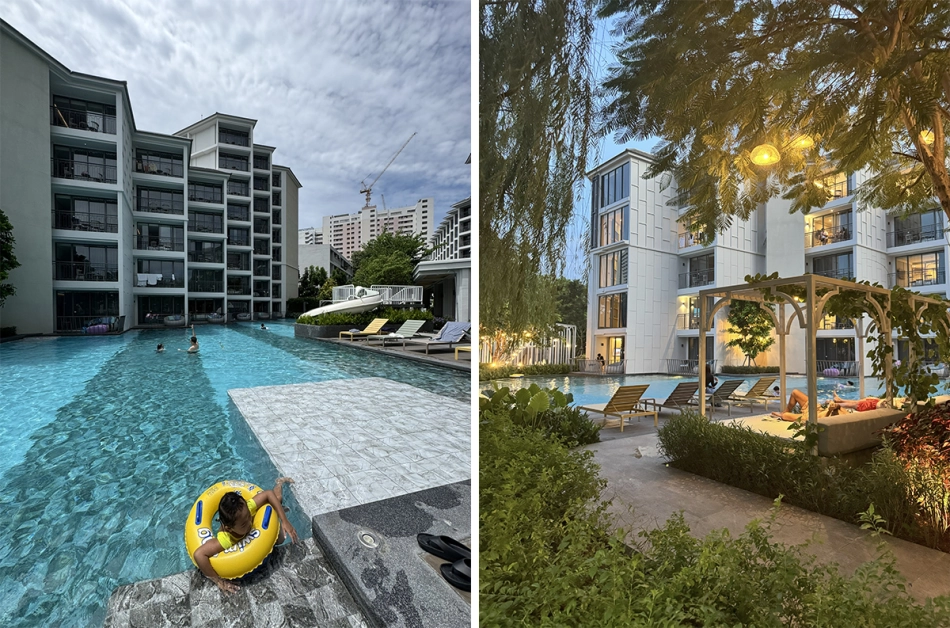
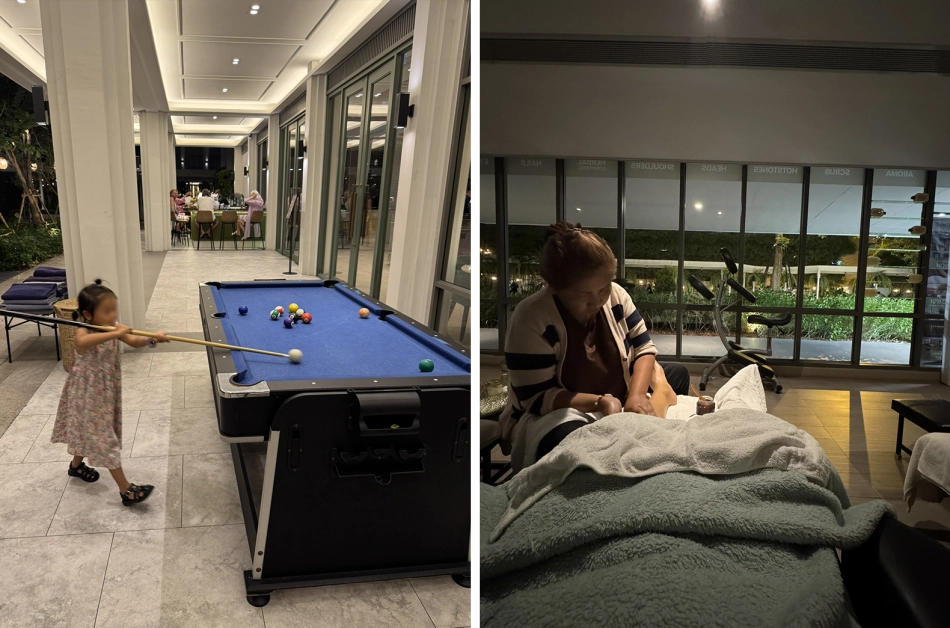
The next day, we switched to a more conveniently located hotel. Since all the attractions we wanted to visit were along the river, we checked into the highly-rated One Fourteen Riverside UHG Hotel, right next to ICONSIAM and the Chao Phraya River. This was the most pleasant surprise of the entire trip—very new, elegantly quiet, with a Lawson convenience store and Thai massage inside. Right below our room was the swimming pool. The kid was so excited she immediately begged us to take her swimming.
Next to the pool was a bar. Even before sunset, a few English-speaking white grandpas and grandmas were gathered around the bar, drinking and chatting. By nearly 10 PM, they were still laughing and talking. After my wife came back from her Thai massage, I said how much I envied these retirees—living on Western pensions, spending in Thailand. Even long-term hotel stays plus food aren’t expensive; pensions cover it. I really hope we can live like that someday.
Back in the room, I turned on Netflix for the kid. Lying in bed, listening to the motor sounds of boats on the Chao Phraya River, I thought: even if I went nowhere and just lay in this hotel for half a month, that wouldn’t be so bad!
Thai Food
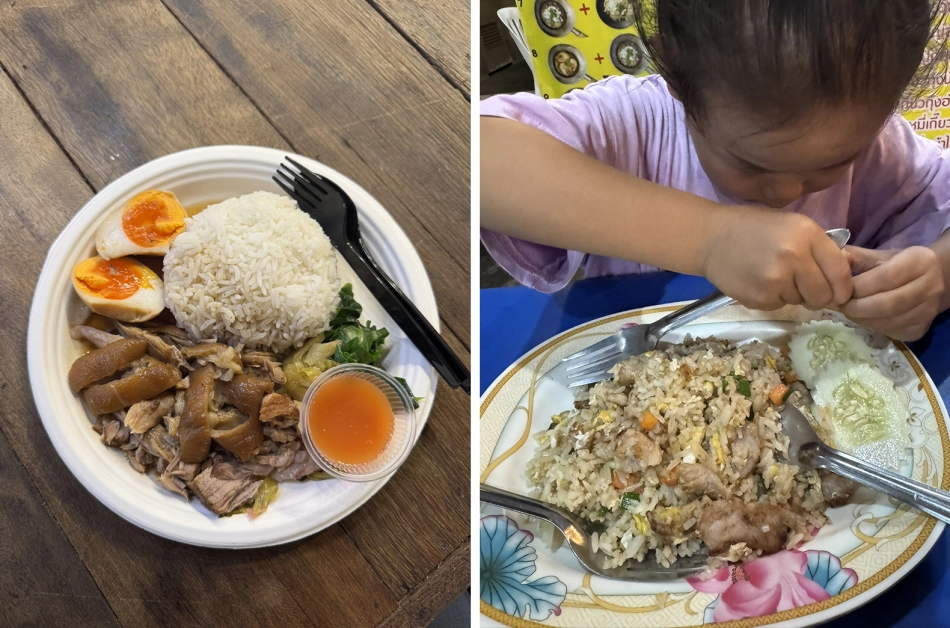
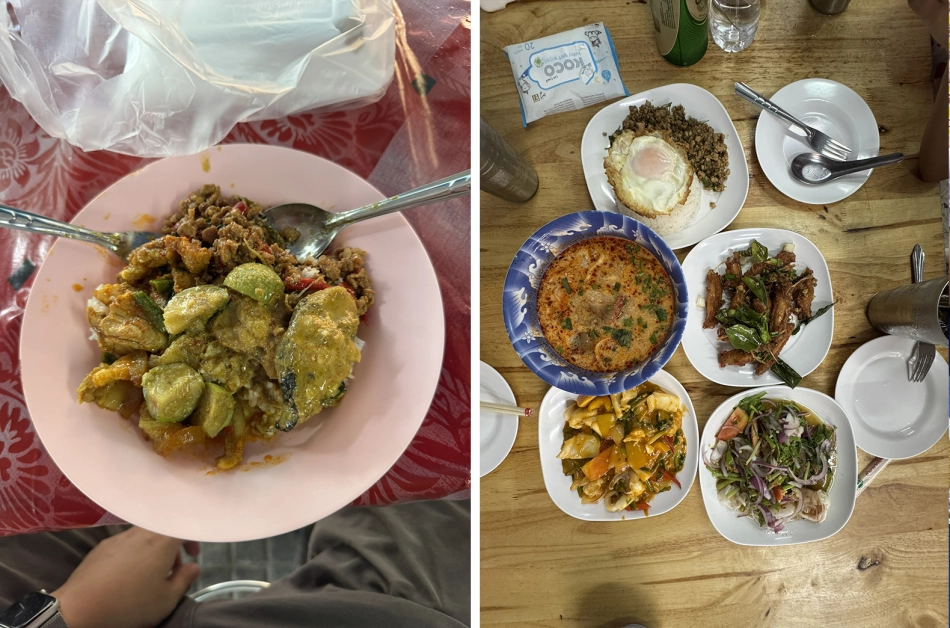
Every fat person is a born gourmet, but the finest food critics should be like a lone starving wolf, prowling through streets and alleys in search of culinary treasures. So it was a regret that I couldn’t independently explore the Michelin restaurants scattered across Bangkok’s streets and alleys—such as Thailand’s internationally acclaimed three-color curry, the Japanese restaurants run by Japanese expats in Bangkok for decades, or the noodle shops near the Grand Palace. We didn’t get to any of them. First, time was too tight. Second, my wife didn’t want to. Third, the kid couldn’t eat certain things. Anyway, we ate wherever we went, following our whims. We ate in malls and at ordinary roadside stalls. The dishes were light, not greasy, leaning toward sour-spicy, sweet-spicy, with seafood flavors. The kid and I both enjoyed Thai flavors; her mom didn’t—she only wanted Sichuan cuisine.
Thailand’s Economy and Prices
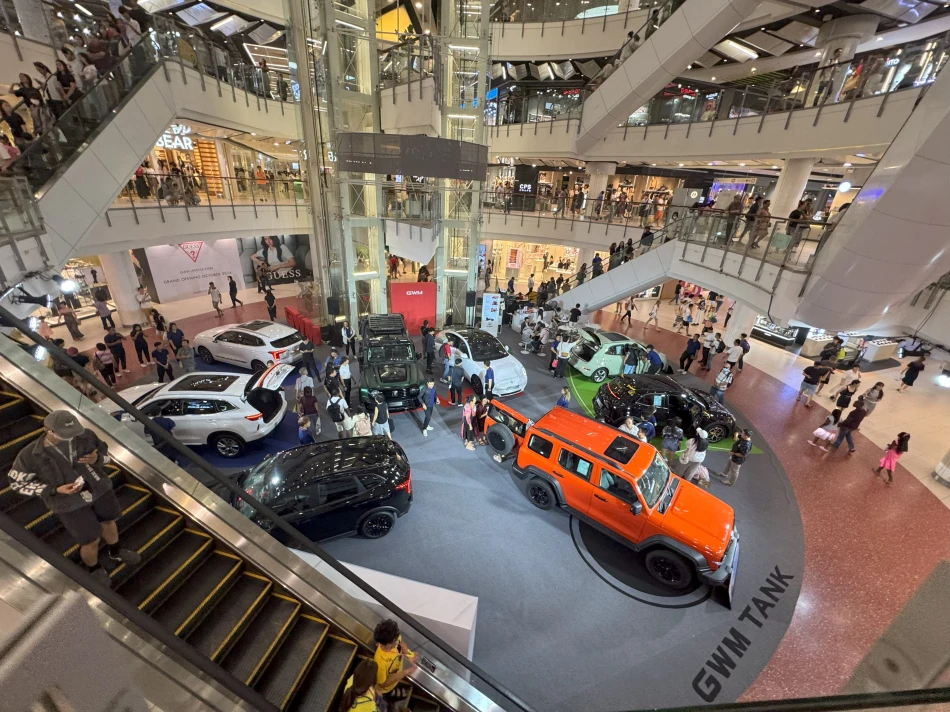
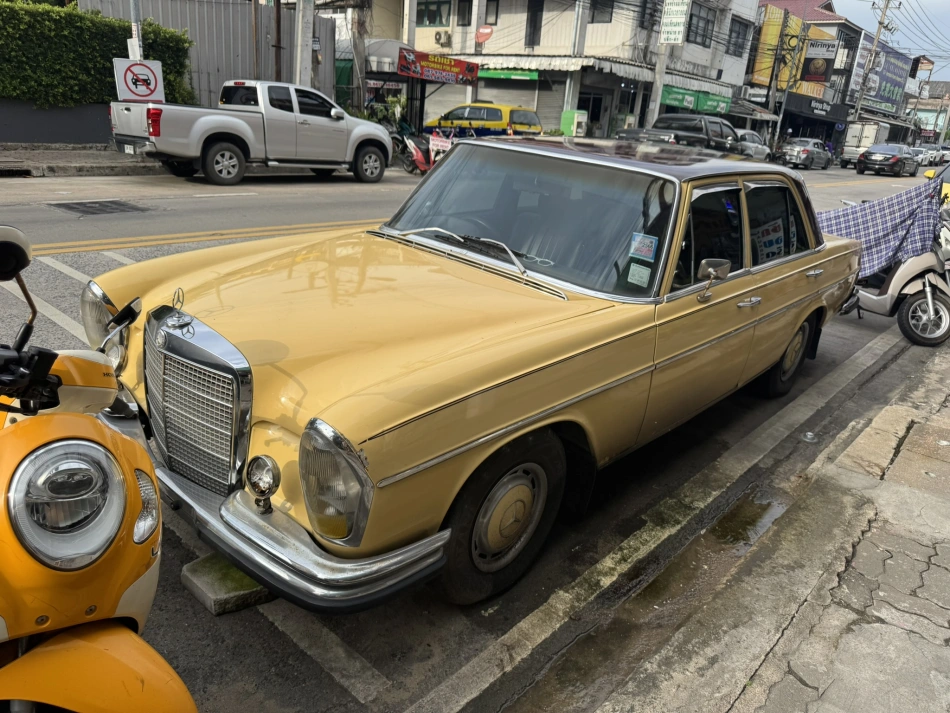
Although Thailand has a relatively developed industrial base within Southeast Asia, at its core it remains an agricultural and tourism country. The wealth gap is significant, average national income is lower than China’s, and accommodation, food, and housing are cheaper. But large industrial products—like cars and electronics—are comparatively expensive. Thailand’s auto industry is relatively developed in Southeast Asia, with Toyota, Honda, Ford, BYD, Great Wall, and MG all producing right-hand drive vehicles locally. But cars are not cheap at all—because Thailand has no domestic brands, it has no pricing power. The most common cars on the road are Toyotas. We took a ride in a large-displacement Toyota Fortuner (about 200,000+ RMB in China), and the driver told us his car cost 2.1 million baht on the road (over 400,000 RMB). Using such an expensive car for ride-hailing was beyond my comprehension. I saw a Great Wall showroom in a Bangkok city-center mall and asked about prices: the Tank 300, about 210,000 RMB in China, is 340,000 RMB in Thailand; the 100,000 RMB Ora is 180,000 RMB in Thailand. Shocking!
Travel Tips
Thailand offers visa-free entry for Chinese nationals. Chinese travelers only need to prepare the following four documents for entry and exit:
1. Passport valid for more than 6 months 2. 10,000 baht per person (or 20,000 baht per family)—customs may spot-check 3. Return flight tickets—immigration may spot-check 4. Hotel booking confirmation
When we arrived in Thailand, customs didn’t spot-check whether we had enough baht and let us through directly. But based on our actual experience, I strongly recommend exchanging some baht in China before coming. It’s normal not to use cash in China, but in Thailand, you can’t go anywhere without it. Besides large malls, 7-Eleven stores, and the BTS skytrain—which all accept Alipay and WeChat Pay—most other places still rely on cash.
Language Before going to Thailand, the kid was a bit anxious about going abroad because she didn’t know English. I explained that Mom is a translator, so don’t worry. After landing, I felt you didn’t actually need good English either. Immigration officers saw our maroon passports and greeted us directly in Chinese. Most of our trip could be managed in Chinese as well. Thai people’s English level is perhaps a bit better than China’s. Even for those who don’t know Chinese at all, broken English works well enough. Only in complex situations did I let my wife handle communication. Her English is very precise—grammar and tense must be correct. I have no such burden. For example, to ask for a cheaper price, I say: “Cheaper please.” She says: “Can I get a discount?” Broken English might actually be more efficient—since neither party is from an English-speaking country, everyone tries to express more complex ideas with the most basic vocabulary.
Travel Dates
Thailand’s rainy season runs from June to October. But because of the monsoon, rain comes fast and goes fast. Once, we went into a 7-Eleven to buy something. Before we went in, the road was dry. The kid took less than 10 minutes to pick things inside, and when we came out, it had already rained and the road was soaked. So the rainy season is perfectly fine for traveling to Thailand. Still, I’d recommend avoiding holidays, especially Chinese holidays—hotel prices during peak tourist season are genuinely expensive.